

Despite the increasing number of drug addicts seeking treatment across Jammu and Kashmir, many district hospitals are still without Inpatient Department (IPD) facilities to provide essential care. The failure to address the shortage of psychiatrists in the region has left drug addicts without the critical support they need for long-term monitoring and treatment.
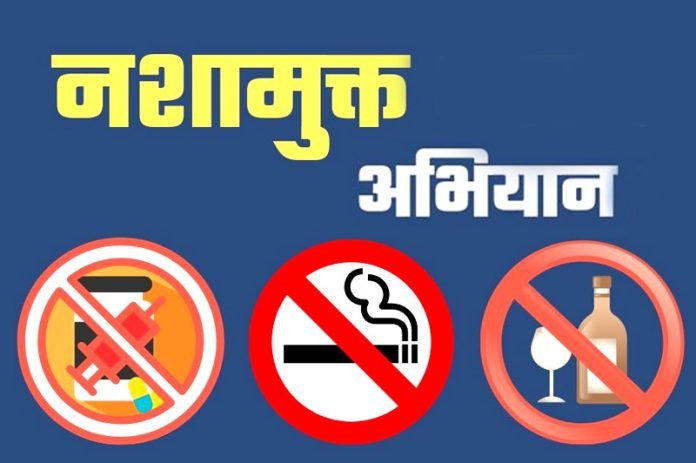
According to the Standard Operating Procedure (SOP) issued by the Government of Jammu and Kashmir in September 2022, the creation of IPD facilities was a key recommendation under the Nasha Mukt Jammu and Kashmir Abhiyan. The initiative aimed to address the rising number of drug addicts seeking help as awareness campaigns, spearheaded by government agencies and NGOs, encouraged more people to come forward. However, the SOP’s provisions have not been fully implemented in many districts, particularly concerning IPD facilities.
In March 2023, the government announced an upgrade to both OPD and IPD facilities under the Nasha Mukt Abhiyan to meet the growing treatment demands of drug addicts. However, nearly two years later, IPD services remain limited to medical colleges and a few district hospitals, with many hospitals still unable to provide the necessary inpatient care. Officials emphasized the urgent need for these services, as the number of individuals requiring treatment continues to rise.
The primary issue, according to sources, is the lack of sufficient psychiatrists to staff these facilities. The Health and Medical Education Department’s failure to recruit the necessary professionals has led to significant delays in providing IPD services across all district hospitals. Sources pointed out that had the recruitment of psychiatrists been prioritized, IPD services could have been established by now.
Despite repeated inquiries, there has been no response from Dr. Rakesh Magotra, Director of Health Services Jammu, regarding the steps being taken to address the IPD service shortage.
In addition to the delay in establishing IPD services, the region has also made little progress on the much-discussed telemedicine services for Intensive Care Units (ICUs). Although the government announced the extension of telemedicine services for ICUs in March 2023, the facility is only available in a few healthcare institutions, leaving many others without access to remote expert consultations for critically ill patients. The Tele-ICU system, which connects ICUs with remote specialists to monitor vital signs and provide timely interventions, has not yet been fully implemented.
Despite claims that tele-OPD services are available in all district hospitals, many residents have complained about inadequate or delayed responses when seeking online consultations. Furthermore, the promise to strengthen trauma care facilities in accident-prone districts like Doda, Kishtwar, and Ramban has not seen significant progress, even after two years.
While these issues are often addressed in the wake of serious accidents or public outcry, the lack of sustained attention to these critical healthcare gaps continues to affect the region’s ability to meet the growing healthcare demands of its population.